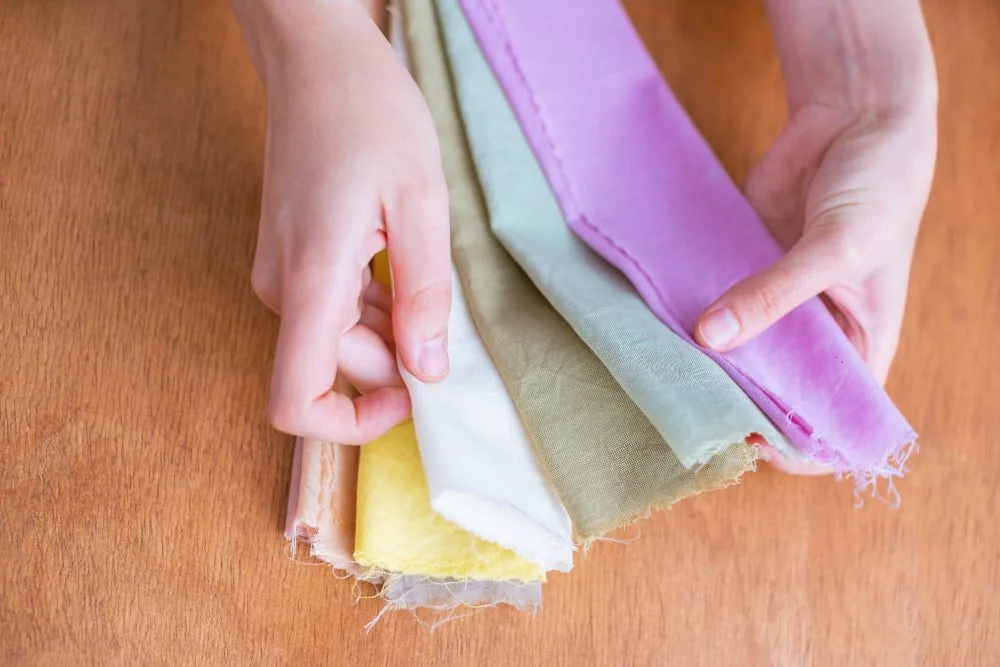
A crash course in the most common questions and misconceptions about natural dyeing.
What exactly is natural dyeing?
Natural dyeing is the practice of coloring cloth and yarn with dyes from plants, insects and minerals. Done properly, the colors are biodegradable, non-toxic and lightfast. The process is slower and more variable than industrial dyeing, which is part of the appeal and part of the limit.
What fibers can be dyed?
Natural fibers only: cotton, linen, hemp, silk, wool and other plant or animal-based fibers. Synthetic fibers will not take up natural dyes. Cellulose fibers like cotton and linen call for different mordanting recipes than animal fibers like wool or silk, but done properly they dye just as permanently. One thing worth knowing: if the fabric is natural but the stitching thread is polyester, the thread will stay undyed.
Are natural dyes lightfast and washable?
Well-mordanted natural dyes hold up to washing and wear. Not every dye plant is equal: madder, indigo, weld, cochineal and walnut are all documented as lightfast and wash-fast across centuries of use. Colors will shift slowly with age, which is a patina, not a fade. Handwashing with cool water, pH-neutral soap and shade-drying extends the life of the color considerably.
What is a mordant, and why?
A mordant is a metal salt that binds plant color to fiber. Without it, most plant dyes don't form a chemical bond with fibers and eventually fade or wash out. Aluminum keeps colors clear and vivid; iron makes them more muted. Choosing a mordant is already a color choice, and the same dye will read very differently depending on which one is used.
Can natural dyes match brand colors?
Not exactly, and not reliably. Every dye bath is a little different, and plant dye is better suited to developing a palette through sampling than to hitting a single fixed reference. For commission work, I start with a direction and refine through dye tests on your fabric rather than matching a Pantone swatch. Brands working with natural dye get something richer: a palette with depth and variation.
Do natural dye results repeat exactly?
No. The same dye produces a different shade on every fiber, and fabric construction adds another variable on top of that. The plant itself may vary with soil, season, and growing conditions. Natural dyeing works with living material, and living material does not repeat exactly. Each batch carries something of the conditions it was made in.
Is natural dyeing truly sustainable?
Mostly, at small-batch scale. Natural dyes are biodegradable and free from petrochemicals, but not every mordant is harmless and water use is substantial. Not every dye plant is locally grown either. At studio scale, natural dyeing is meaningfully lower impact than conventional textile dyeing but it is not a solution to fast fashion.
Do you work with fashion brands?
Yes. Kaliko takes on commissions, capsule collections, brand activations and sample work for fashion, textile and interior brands, designers and artists. See services for details on what each type of engagement looks like, or email hello@kaliko.co to open a conversation.
How do I start dyeing at home?
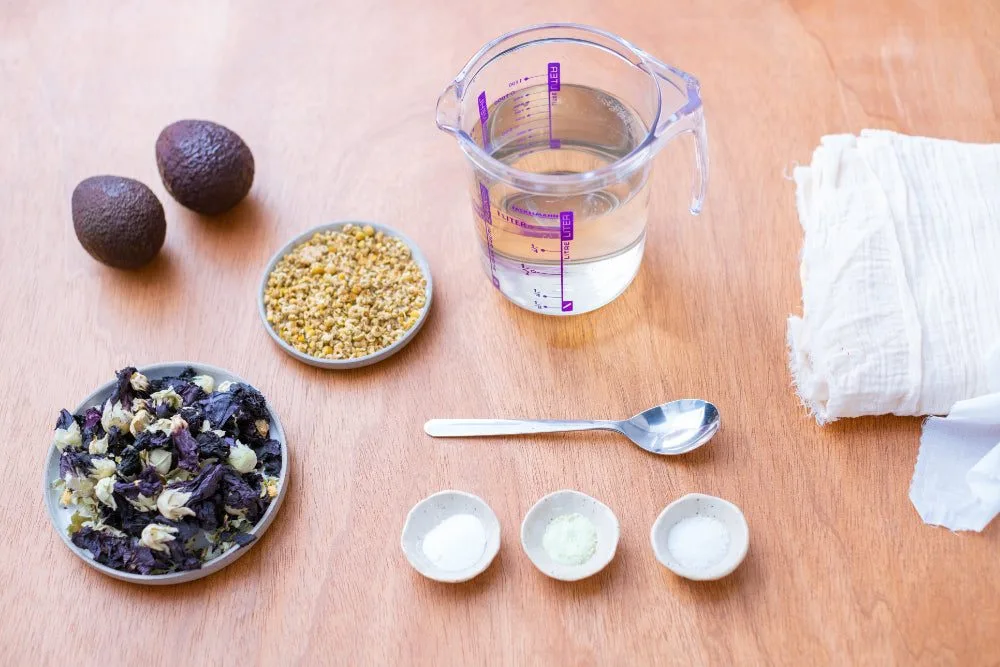
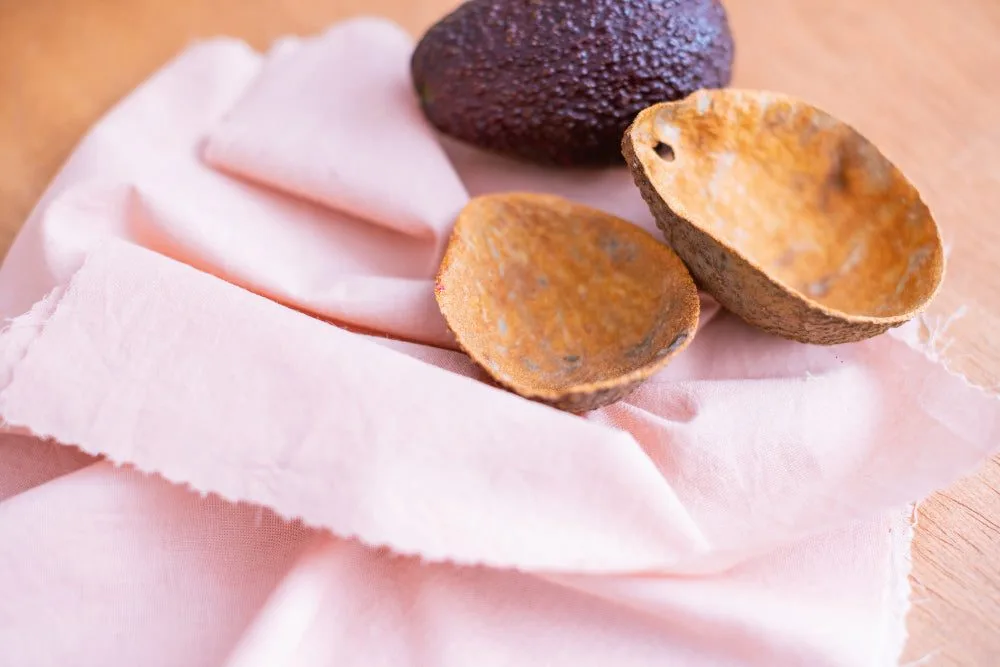
Begin with onion skins or avocado pits. Both bond to fiber quite well without a mordant. From there, a basic aluminum mordant opens up most other dye plants. The library has free tutorials, plant portraits and natural-dye references. For a more structured start, the full beginner's guide is available as a downloadable ebook.
Can all plant dyes be made permanent?
No. Even with the most careful mordanting, you cannot make an unstable dye last. Color longevity is a spectrum: some plants are documented as lightfast across centuries of use, others fade within weeks. Some plants, like beetroot, do not dye at all in the technical sense — they stain, and will always wash out. Choose the plant based on what you need the color to do.
Can vinegar or salt fix dye?
No, though both are unfortunately widely recommended in beginner tutorials. The vinegar myth comes from acid dyeing, where it fixes synthetic dyes on protein fibers, but the chemistry does not transfer to natural dyeing. Salt is recommended because mordants are chemically known as "metal salts", but table salt has no mordanting effect. Colors dyed without a proper mordant will fade or wash out.
Are natural dyes safe to use?
Generally yes, though not without caveats. Most plant dye baths are low-risk and wastewater can go down the drain, but some dye plants are toxic and mordants vary. All should be handled with care. Work in a ventilated space, wear gloves, avoid inhaling powders, and keep all dye tools separate from your kitchen. Keep the ingredients away from children and pets.