Avocado is one of my most favorite dye sources. We eat a lot of avocados at home and therefore have a substantial amount of avocado skins and stones left over. They would end up as kitchen waste otherwise, and I love the fact that I can use them in a creative way instead of throwing them in the bin.
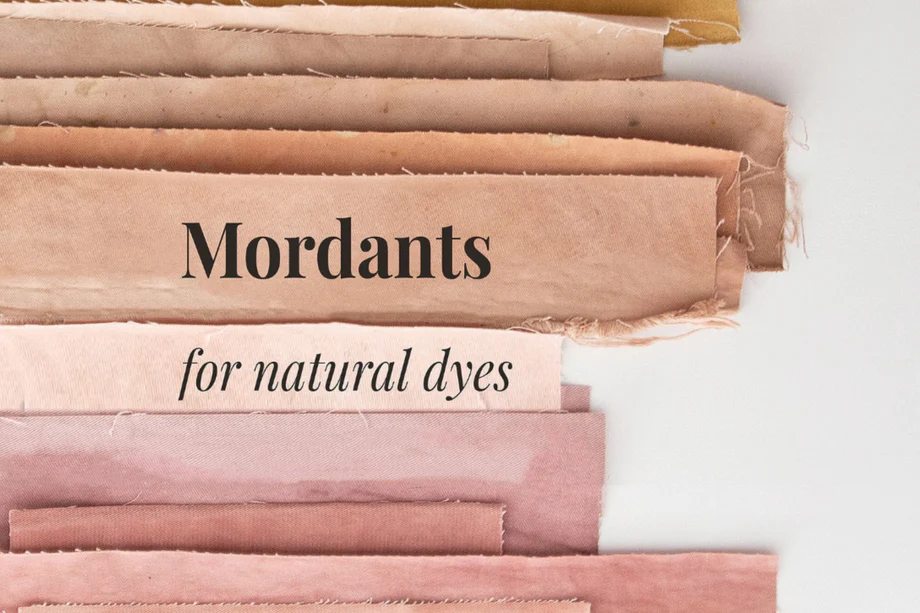
Avocados make a range of colors from soft peach to deep coral pink, if you treat them right. Over the past few years, this has probably been the most-used dyestuff in my kitchen. I've learned a few tricks that I'll share with you so you can achieve the most beautiful and reliable colors too. These tips cover only the techniques for making a dye bath. Mordanting fibers is another story, and while I won't go into detail here, I'll just say that I usually use soy milk or don't pretreat the fibers at all. Avocados bind well with both protein and cellulose fibers, and the color stays vibrant for a long time if taken care of properly.
Here's how to make the most of your avocados:
1. Use black skins only
Avocados with black skins make the nicest pinks. Green skins don't have much pink pigment in them, so they won't give any good results. You can use stones from both kinds, though, as they store enough pigment. You don't need many avocados to start. To dye a simple t-shirt, skins and stones from as few as three avocados can already be enough.
2. Freeze both skins and stones
I always put avocado skins and stones in the freezer before making a dye bath. I don't store them for too long, though, as they might get grayish and the color can turn "muddy". I usually use them within a few days to a few weeks. After putting your avocado skins in the freezer, you will soon notice that the black skins are showing some red spots on them. When that happens, it means they are ready for your dye pot. If the skins are stored for too long, they will lose this reddish tint. They will look dry and slightly brown, and they won't give the most brilliant results anymore. Stones usually hold up for a while longer.
You can also dry the skins and stones, but I prefer to freeze them for one reason. It makes it easier to track whether they are still potent. I also believe it keeps the color fresh for a longer time.
3. Give it time
My avocado extraction process always takes a few days. Both skins and stones usually store more pigment than can be extracted in just one dye bath. After the first extraction (heating up the avocados and simmering them for about an hour), I let the dye bath cool down overnight and sieve it through a muslin cloth the next day. I pour water over the sieved avocados and heat them up again, making another batch of dye. I repeat the process up to five times before all the pigment is extracted. Stones usually store more pigment than skins, so I process them separately. I combine all of these dye baths in one pot. This lengthy process also helps the pigment oxidize over time, deepening the color. Remember not to boil the pigment for too long — it's the time, not the heat, that produces the richest hues.
4. Shift the pH
This is something I came up with by observing the water quality in Berlin. Our water is quite calcareous and slightly alkaline, and always produces nice deep pinks from avocados. I saw many people making peach colors with their stones and skins, but it never happened in my dye pot. Some time ago, I added just a few drops of white vinegar to my dye bath and the color shifted instantly to a more orange side of the spectrum. Accordingly, if you shift the pH to more alkaline by adding either some baking soda or just a pinch of lime, you will get deeper pinks. You can use this trick to revive a dye bath that used to be pink but changed color after being stored for some time and having its pH level drop. It works like a charm.
5. Steam for a deeper color
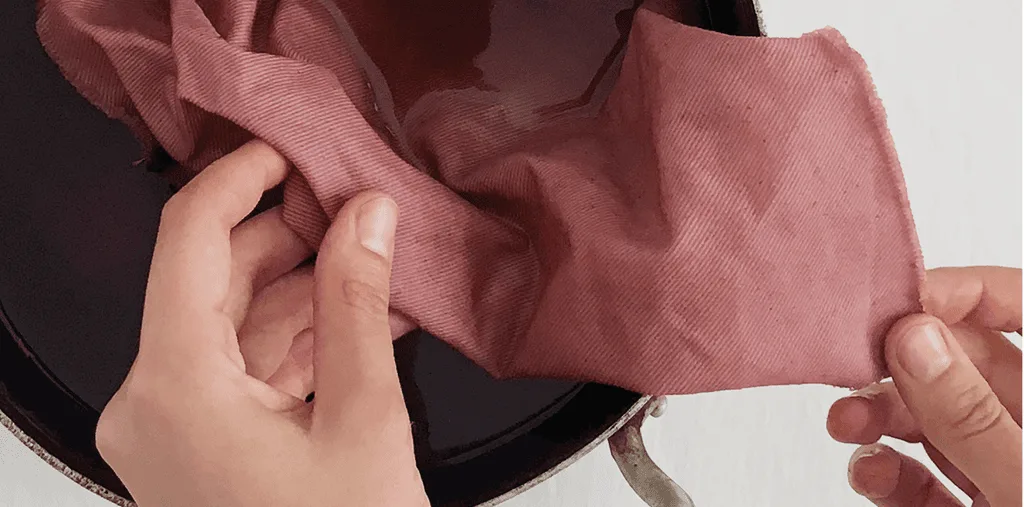
Just like most of the things I know about dyeing, this one was a lucky accidental discovery. After you dye your fibers, lift them over the hot dye bath and steam them for a few minutes. Hot steam will make the color even darker. I believe it's extra oxidation taking place in this process, which deepens the color. This trick works for most tannin-rich dyes, of which avocado is one. I steam all of my tannin and iron-dyed fibers too, and it really makes a difference.